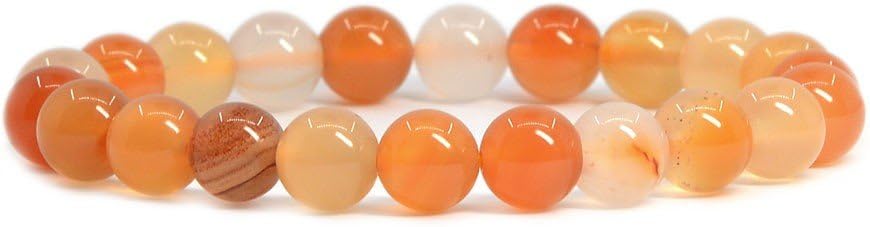



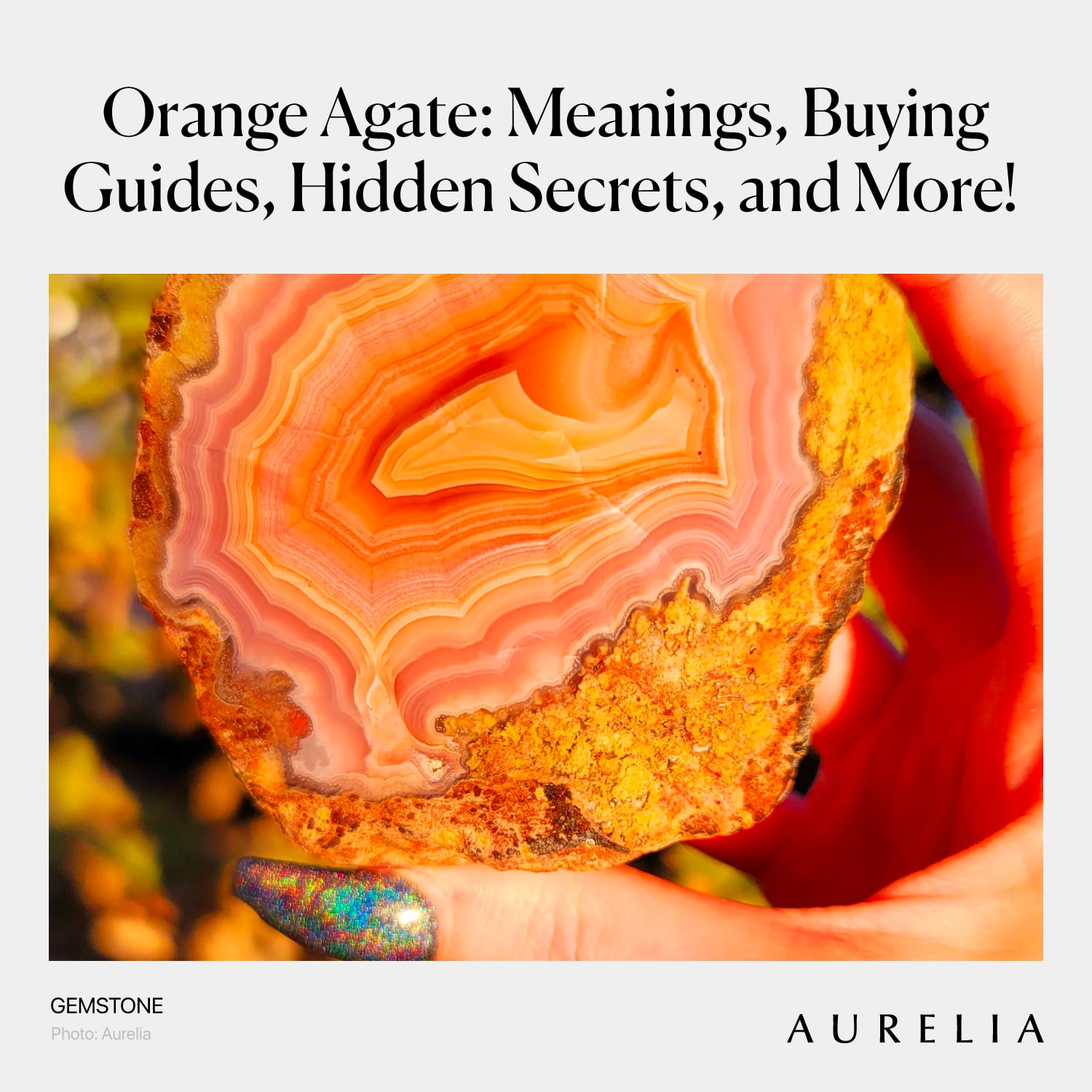
Orange Agate is a translucent, microcrystalline form of Quartz (Chalcedony) known for its vibrant, fiery hues and distinctive banded patterns. It is a grounding stone primarily linked to the Sacral Chakra, used for boosting creativity, emotional stability, and courage.
Is it Real? Yes and No.
Genuine Orange Agate exists in nature, but the vast majority of brightly colored stones on the market are Dyed Agate. Natural agate is usually a dull grey or brown; it is heat-treated or dyed to achieve that neon orange pop. However, even dyed agate is still a real stone with real mineral properties—it just had a “makeover.”
Mehedi’s Buying Verdict: The Authenticity Checklist
- Look for Stripes: If the stone is solid orange with zero bands, it is likely Carnelian or Dyed Glass, not Agate.
- Check the Cracks: If you see dark orange dye pooling in the tiny fractures of the stone, it is treated.
- Feel the Temp: Real stone feels cold to the touch. Plastic or glass fakes feel room temperature.
Real vs. Fake: How to Spot a Counterfeit
Because Orange Agate is so popular for its metaphysical properties, the market is flooded with fakes. You don’t need a gemology lab to spot them; you just need to know what to look for.
The “Banding” Rule (The #1 Tell)
The word “Agate” in geology specifically refers to the banded structure of the stone. This is your primary authenticity test.
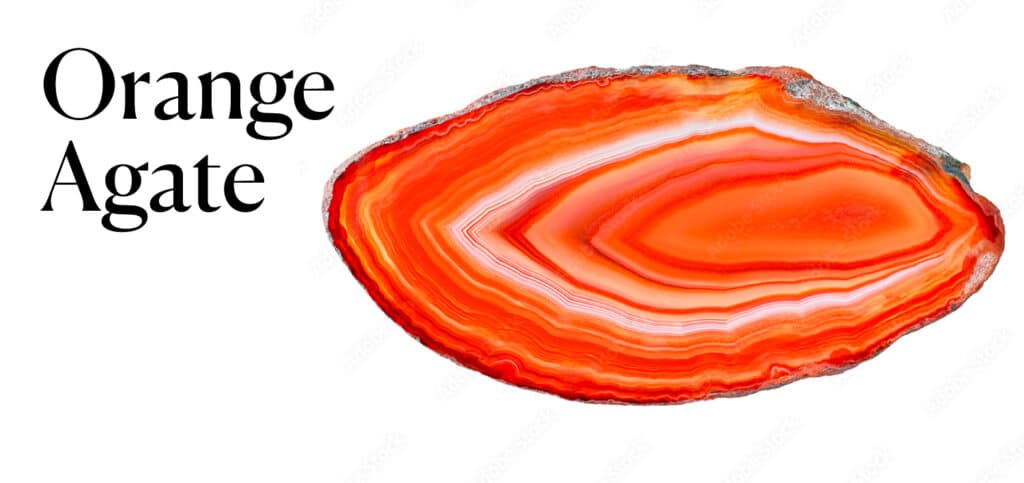
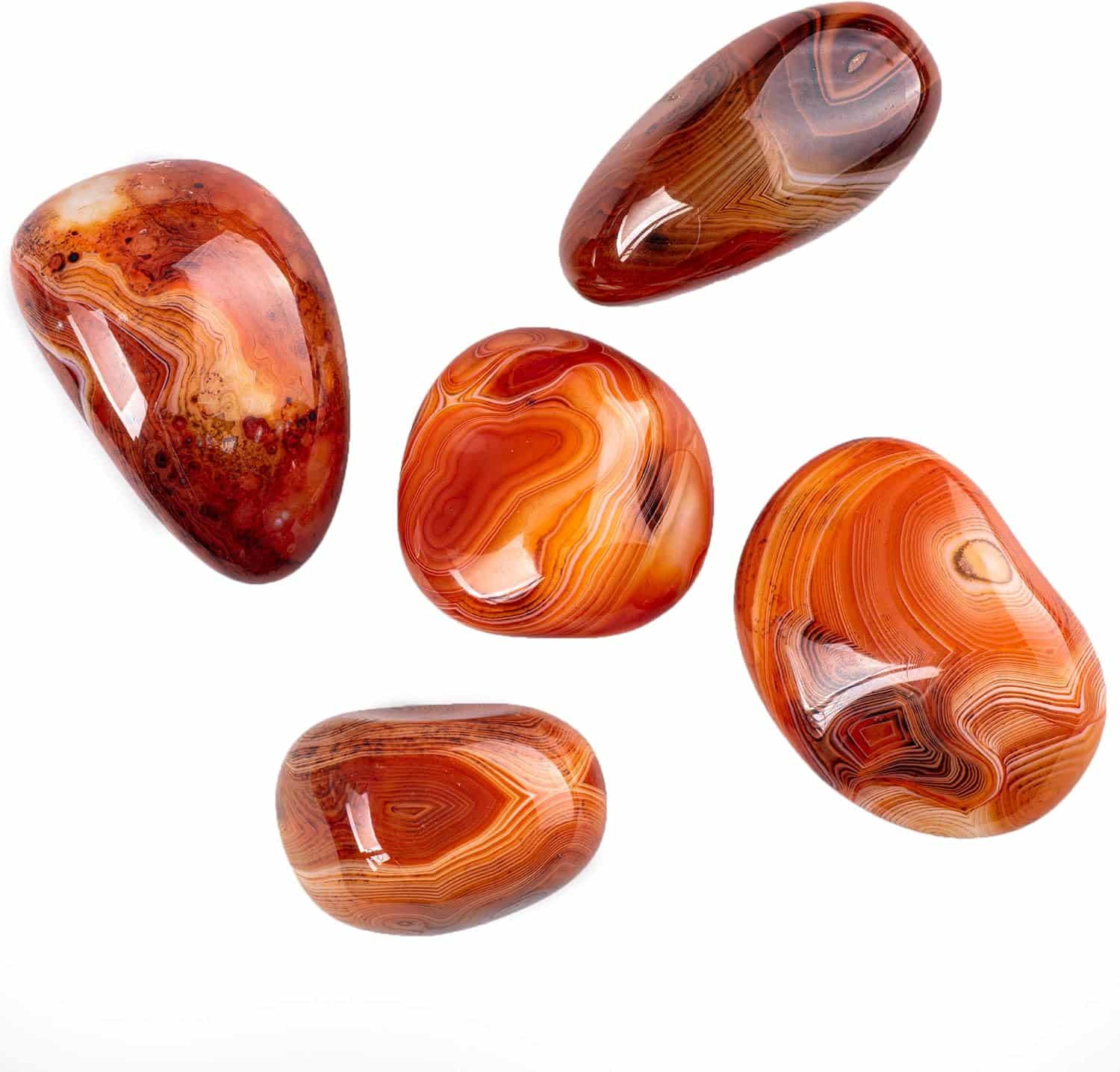
- Real Orange Agate: Will almost always have concentric stripes, layers, or “eyes.” These bands might be white, grey, or different shades of orange. This banding is the stone’s fingerprint.
- The Imposter: If the stone is a uniform, solid orange color with zero patterns or stripes, it is likely Carnelian (a related but different mineral) or simply Dyed Glass.
- The Exception: “Fire Agate” is a rare variety that shows iridescence rather than banding, but it is much more expensive and distinct.
The Dye Test
It is an open secret that most bright Orange Agate on the market starts as dull grey agate and is dyed. While dyed agate is still a “real” stone with real energy, you want to avoid cheap, low-quality fakes.
- Look at the Cracks: Inspect the stone under a bright light. If you see dark orange dye “pooling” or concentrating in the tiny fractures and fissures of the stone, it is a tell-tale sign of a rushed dye job.
- The Temperature Check: Pick it up. Real Agate (even dyed) is a form of Quartz. It should feel cold to the touch for the first few seconds. If it feels room temperature or warm immediately, it is likely plastic or resin.
For more tips on identifying genuine stones versus simulants, you can apply the same principles found in our guide on simulated diamond vs moissanite.
Vibrant Selection: Shop the Gemstone Clearance Vault for rare and colorful finds. Secure premium bezel-set designs and fiery natural stones in the latest 2026 collections at Blue Nile .
Expert Curation: Discover the High-Saturation Edit. Use HD 360° technology to inspect the banding and “Eye-Clean” details of world-class colored gemstones at James Allen .
The Meaning of Orange Agate: A Stone of Passion, Protection & Balance
You are drawn to this stone for a reason. It isn’t just the color; it is the frequency.
While many gemstones are passive (they sit there and look pretty), Orange Agate is active. In the world of crystal healing, it is known as the “Soul’s Battery.” It doesn’t just store energy; it pushes it outward.
If you feel stuck, lethargic, or trapped in a cycle of “analysis paralysis,” Orange Agate is the metaphysical prescription. It bridges the gap between thinking about a goal and acting on it. It stimulates the fire within—specifically the desire to create, to love, and to change your circumstances.
The “Protection” History: Why Warriors Wore It
Target Query: “orange agate healing properties protection”
Modern buyers often overlook the gritty history of this stone. For thousands of years, Orange Agate wasn’t used for decoration; it was used for Survival.
- Ancient Rome: Romans valued Agate for its physical hardness (7 on the Mohs scale) and spiritual durability. They crafted it into mortars and pestles to grind medicines, believing the stone’s protective energy would infuse the mixtures. But they also wore it into battle, believing it deflected bad luck and physical harm.
- The Persian Storms: Ancient Persian magicians believed that burning Agate could divert storms. It was a stone of elemental control, used to protect villages from thunder, lightning, and natural disasters.
- Archangel Michael: In religious texts, Agate is often associated with Archangel Michael, the ultimate protector against evil. It was carried as a talisman to ward off “The Evil Eye” and psychic attacks.
Modern Application:
Today, we use it to protect against “Emotional Vampires.” If you have a coworker or family member who drains your energy just by entering the room, Orange Agate acts as an energetic shield, keeping your aura contained so they cannot siphon your vitality.
The “Yin and Yang” of Balance
Unlike its cousin, the fiery Red Carnelian (which is all high-octane energy), Orange Agate has a secret superpower: Stability.
Because it is a banded Chalcedony, it carries the grounding energy of the earth. It creates a balance between:
- Positive Energy (Yang): Motivation, creativity, and drive.
- Negative Energy (Yin): Grounding, stillness, and acceptance.
This makes it the perfect stone for people who are “High Stress” or prone to anxiety. It doesn’t just hype you up (which can cause anxiety); it stabilizes your emotional core so you can be productive without burning out. It teaches you that you can be passionate and peaceful at the same time.
If you are fascinated by gemstones that carry this intense, vibrant color profile but want something with significant investment-grade value, you should also explore the world of the natural orange diamond. While Agate heals the spirit, Orange Diamonds are among the rarest tangible assets on earth.
Healing Properties: Emotional, Mental & Physical Benefits
We’ve covered the spiritual history, but what does Orange Agate actually do for you in the here and now?
In the world of crystal therapy, this stone is considered a “Multi-Level Healer.” It doesn’t just work on one plane; it aligns the emotional heart with the physical body. It is often prescribed to people who feel “burned out” or emotionally fragile.
Here is the breakdown of how it impacts your daily life.
1. Emotional Healing: The “Anti-Anxiety” Anchor
If your mind is constantly racing with “What if?” scenarios, Orange Agate is your anchor. Its banding structure creates a stabilizing frequency that helps overcome depression and chronic anxiety.
- Self-Acceptance: It dissolves the fear of judgment. If you suffer from Imposter Syndrome, this stone encourages you to accept your own truth and stop looking for external validation.
- Trauma Release: Its energy is gentle but persistent. It helps peel back the layers of old emotional wounds—specifically resentment and bitterness—allowing you to finally let them go. It doesn’t just band-aid the pain; it helps you process it so you can move forward.
2. Mental Clarity: The “Fog” Killer
Do you ever feel like your brain is buffering? Orange Agate is like hitting the “Refresh” button on your mental browser.
- Focus & Analytics: It is highly recommended for students, writers, and analysts. It improves concentration and analytical abilities, helping you see the solution to complex problems that felt impossible an hour ago.
- Decision Making: By grounding you in reality, it removes the emotion from decision-making, allowing you to choose the path of logic and stability rather than reacting out of fear.
3. Physical Benefits: The Digestion Specialist
This is the most specific physical benefit associated with Orange Agate, and it links directly to its connection with the Sacral Chakra (located in the lower abdomen).
- Digestive Health: In metaphysical healing, Orange Agate is famously placed on the stomach to soothe gastritis, aid in digestion, and reduce bloating. It is believed to help the body absorb nutrients more efficiently, making it a favorite for those with sensitive stomachs or IBS.
- Reproductive Vitality: As a Sacral stone, it is also linked to fertility and sexual health. It is often used to unblock stagnation in the reproductive organs and increase physical stamina.
- Circulation: Its fiery energy is said to warm the extremities, improving blood flow and reducing physical lethargy.
If you are interested in other grounding stones from the Agate family that offer similar stabilizing effects but with a deeper, earthier energy, you should read our guide on Brown Agate. It is the perfect “darker” companion to the fiery Orange Agate.
Spiritual Powers & Chakra Balancing: Awakening the Sacral Energy
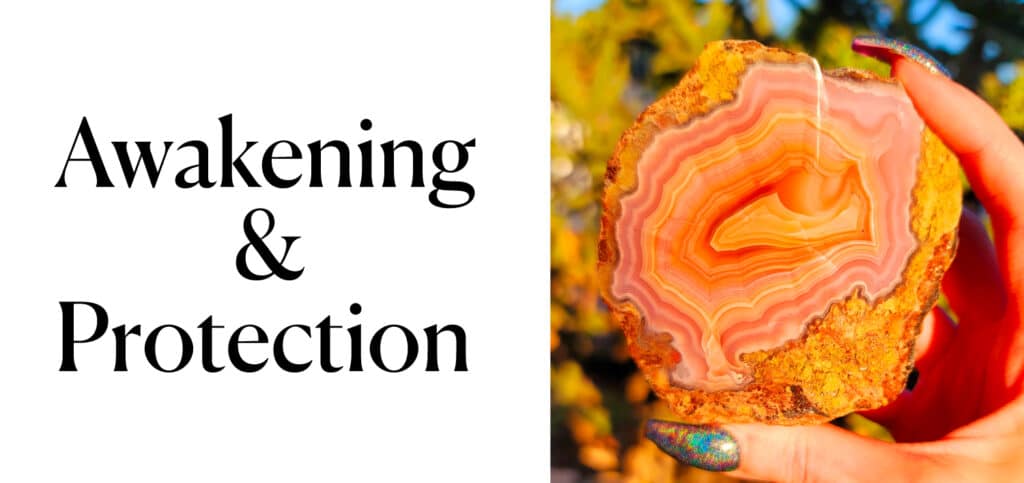
If you hold an Orange Agate in your hand, you are holding the physical manifestation of the Sacral Chakra (Svadhisthana).
This energy center, located just below your navel, governs your creativity, your sensuality, and your joy. When this chakra is blocked, you feel emotionally numb, creatively dry, and disconnected from others.
Orange Agate is the key to unlocking it.
The Creative Unlock: How to Use It
It’s not enough to just own the stone; you have to use it. If you are an artist with writer’s block, or an entrepreneur stuck on a strategy, this stone can act as a catalyst.
- The Problem: Stagnant energy in the Sacral Chakra makes you doubt your own ideas.
- The Agate Solution: Its vibrational frequency breaks up that stagnation, allowing new ideas to flow freely without the filter of self-criticism.
Mehedi’s “Creative Fire” Meditation Tip
Don’t just wear it—meditate with it. Here is the specific technique I recommend for unlocking creativity:
- Placement: Lie down flat and place the Orange Agate stone directly on your lower abdomen (about two inches below your belly button).
- Visualization: Close your eyes and visualize a warm, spinning orange light originating from the stone. Imagine this light expanding with every breath, filling your entire pelvic bowl with warmth.
- The Mantra: Silently repeat: “I allow my creativity to flow freely. I embrace my passion without fear.”
- Duration: Do this for 10-15 minutes. The physical weight of the stone on the chakra point helps ground your attention, intensifying the energy work.
Beyond the Sacral: The Root Connection
While it is primarily a Sacral stone, the darker, reddish-orange bands often found in Agate also connect it to the Root Chakra (Muladhara).
This dual connection is what makes it unique. It gives you the Creativity of the Sacral Chakra but anchors it with the Stability of the Root Chakra. This means you don’t just dream up ideas (Sacral); you have the discipline to build them (Root).
If you are exploring other unique stones that bridge the gap between different energy centers, check out the fascinating properties of Spider Quartz, another visually striking stone known for its complex energetic patterns.
Orange Agate vs. Carnelian: The Ultimate Showdown
This is the most common confusion in the crystal world. You walk into a shop, pick up an orange stone, and the label says “Carnelian.” Next door, the same looking stone is labeled “Orange Agate.”
Are they the same? No.
They are siblings (both are varieties of Chalcedony/Quartz), but they have completely different personalities and physical markers.
As your friend in the trade, I’m going to teach you how to tell them apart in 5 seconds so you don’t buy the wrong energy.
The Visual “Tell”: Stripes vs. Clouds
The easiest way to distinguish them is by looking at the structure.
- Orange Agate = Banded. The definition of an agate is that it has concentric bands or stripes. If you see layers of white, lighter orange, or grey weaving through the stone, it is Agate. It feels “Active” visually.
- Carnelian = Solid/Cloudy. Carnelian typically does not have tight banding. It usually has a uniform color distribution, or soft, cloudy patches of varying depth (like orange smoke). It feels “Solid” visually.
The 2026 Comparison Matrix
Use this chart to identify your stone instantly.
| Feature | Orange Agate | Carnelian |
|---|---|---|
| Primary Identifier | Visible Banding (Clear stripes or concentric loops) | Uniform Color (Solid or cloudy amber-like patches) |
| Transparency | Often Semi-Translucent to Opaque | High Translucency (Glows with warmth when held to light) |
| Color Depth | Bright Orange mixed with White or Grey layers | Deep Red-Orange, Amber, or Burnt Brown tones |
| Energy Vibe | Stabilizing (Grounding, patient, and slow-burning) | Energizing (Fiery vitality, caffeine-like push) |
| Avg. Price (2026) | $5 – $15 (High Abundance) | $15 – $40+ (Slightly Higher Market Demand) |
| Identification Tip: If the stone has sharp, defined stripes, it is an Orange Agate. If it lacks distinct banding and possesses a vitreous, “fleshy” glow throughout, it is a Carnelian. In the current market, collectors often seek out “Banded Carnelian,” which geologically sits right in the middle of these two varieties. | ||
The Metaphysical Difference: Slow Burn vs. Explosion
Why does it matter which one you buy? Because their energies are opposites.
- Orange Agate is a “Slow Burn.” It grounds you. It stabilizes your aura. It is for people who feel chaotic and need to find their center while staying creative.
- Carnelian is an “Explosion.” It is high-octane fuel. It creates courage, boosts libido, and pushes you to take risks.
Mehedi’s Verdict:
If you are anxious and need to calm down, Buy Agate.
If you are lethargic and need a kick in the pants, Buy Carnelian.
If you are looking to add these stones to your collection in high-quality settings, check our curated list of Top 10 Exquisite Gem Necklaces, where we highlight how designers use these vibrant gems to create statement pieces.
Vibrant Selection: Shop the Gemstone Clearance Vault for rare and colorful finds. Secure premium bezel-set designs and fiery natural stones in the latest 2026 collections at Blue Nile .
Expert Curation: Discover the High-Saturation Edit. Use HD 360° technology to inspect the banding and “Eye-Clean” details of world-class colored gemstones at James Allen .
The Color Spectrum: Red, Yellow, and Fire Agate
“Orange” is not a single color; it is a spectrum. Depending on the mineral content (usually Iron or Manganese), Orange Agate can shift from a pale apricot to a deep, burning rust.
Identifying the specific shade helps you understand the specific energy—and the market value—of your stone.
Here are the three most common variations you will encounter.
1. Red-Orange Agate (The “Root” Builder)
- The Look: This stone leans heavily into the darker, rusty side of the spectrum. It often features deep terracotta bands mixed with grey or white.
- The Trade Name: Often sold as “Blood Agate” or simply Red Agate, though true Red Agate is distinct.
- The Energy: Because it bridges the gap between Orange (Sacral) and Red (Root), this variation is the most Grounding. It is less about “new ideas” and more about “physical stamina” and survival instincts. It is the warrior’s shade.
2. Yellow-Orange Agate (The “Apricot” Healer)
- The Look: Pale, creamy, and soft. Think of a creamsicle or a dried apricot. The bands are usually subtle, blending white with light peach.
- The Energy: This shade connects the Sacral Chakra up to the Solar Plexus Chakra (your willpower center). It is softer, gentler, and more focused on Confidence and Joy rather than raw passion. It is the “Happy Stone” of the family.
3. Fire Agate (The Phenomenon)
Warning: This is NOT the same as standard Orange Agate.
- The Difference: True Fire Agate is a rare, botryoidal (grape-like) mineral that shows a phenomenon called iridescence. It looks like there are actual flames or glowing embers trapped inside the stone that move when you turn it.
- The Value: While a standard Orange Agate is worth $5, a high-quality Fire Agate can be worth $100 to $500+ depending on the ‘fire’.
- The Fake: Be careful of “Crackle Agate” (dyed agate that has been heated until it shatters internally) being sold as “Fire Agate.” Real Fire Agate looks like bubbling lava; fake Fire Agate looks like broken glass with dye in it.
If you are looking for a stone to pair with these high-energy fiery gems to help balance and ground that intense vibration, I recommend looking into Black Jasper. It acts as the perfect “Anchor” to the “Fire” of these agates.
Usage & Care: How to Keep the Fire Alive
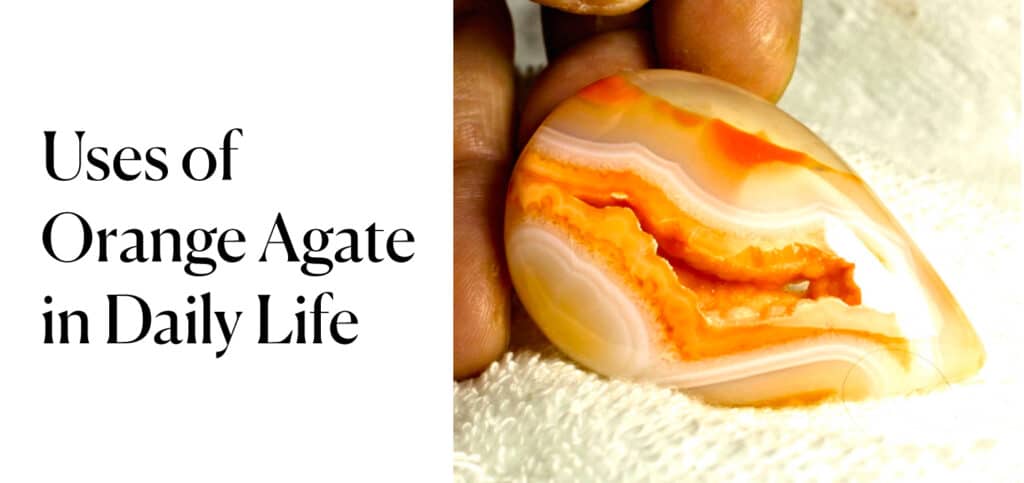
Even though Agate is durable (Mohs Hardness 7), it is not indestructible. Because most Orange Agate on the market is heat-treated or dyed to achieve that neon pop, it requires specific care to maintain its vibrancy.
The “Sunlight Warning” (Crucial Tip)
This is the #1 mistake new collectors make.
Do not leave Orange Agate in direct sunlight.
- The Science: UV rays can bleach the dyes used in enhanced agate, turning your vibrant orange stone into a pale, washed-out grey over a few months.
- The Fix: Store it in a jewelry box or a pouch. Do not leave it on a window sill to “charge.” If you want to charge it energetically, use moonlight or burying it in the earth.
Water Safety: Can It Get Wet?
- Yes. Agate is a silicate. It will not dissolve or release toxins in water. You can cleanse it under running lukewarm water.
- The Caveat: Avoid hot water or saltwater if the stone is dyed, as extreme temperatures or salt can sometimes affect the surface treatments or polish.
Cleaning Protocol:
- Use lukewarm water and a drop of mild dish soap.
- Scrub gently with a soft toothbrush to remove oils from the banding crevices.
- Dry immediately with a soft cloth to prevent water spots.
Is Orange Agate a Birthstone?
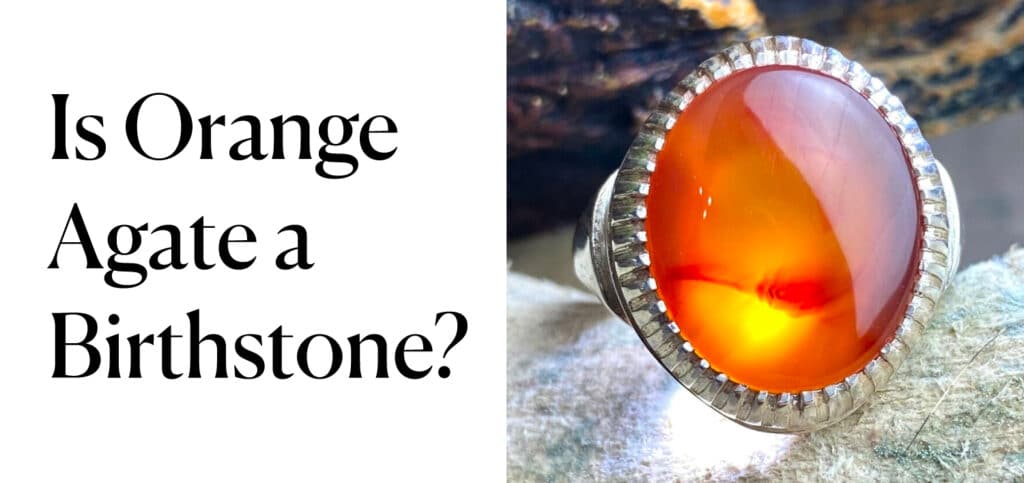
Technically, No.
Orange Agate is not listed on the modern or traditional birthstone charts (unlike its cousin, the August Birthstone, Peridot).
However, in the world of Astrology, it has two powerful “Adopted” connections.
1. Virgo (August 23 — September 22)
- The Connection: Virgos are Earth signs known for being analytical, practical, and sometimes anxious.
- The Agate Boost: Orange Agate provides the Creativity that Virgos often stifle with logic. It helps them get out of their heads and into their hearts. It is the “Loosen Up” stone for the perfectionist Virgo.
2. Libra (September 23 – October 22)
- The Connection: Libras are Air signs obsessed with balance and harmony.
- The Agate Boost: Since Agate is the “Stone of Balance” (Yin/Yang), it is a natural energetic match. It helps Libras stop indecision (a common struggle) and take action on their ideas.
FAQ: Your Orange Agate Questions Answered
I have analyzed the most common questions people ask about this fiery stone. Here are the detailed, unfiltered answers to help you use Orange Agate safely and effectively.
Who should not wear Orange Agate?+
People who are currently experiencing high states of agitation, mania, or sensory overload should approach Orange Agate with caution. While it is a grounding stone, it is also a stimulant for the Sacral Chakra, which governs emotions and passion. If you are already feeling emotionally volatile or “burned out” from too much stimulation, adding more creative fire can sometimes be overwhelming. Unlike Carnelian, which is high-octane energy, Agate is slower. However, if you are seeking pure silence and sleep, you might be better off with a cooling stone like Blue Lace Agate or Amethyst. Orange Agate is for those who want to move forward, not those who want to stop completely.
Can I sleep with Orange Agate under my pillow?+
Yes, but it depends on your goal. Because Orange Agate is linked to the Sacral Chakra (creativity and sexuality), sleeping with it can stimulate vivid, lucid dreams or increase libido. If you are looking to resolve emotional issues through dream work or reconnect with your partner, it is excellent in the bedroom. If you are an insomniac or have a busy mind that won’t shut off, this stone might keep your subconscious too active for deep, restorative rest. I generally recommend keeping it on a nightstand rather than directly under the pillow to soften the intensity of the energy while you sleep.
How can I tell if my Orange Agate is real or dyed?+
The vast majority of bright neon Orange Agate on the market is dyed, but it is still “Real” Agate. The key is distinguishing it from fake plastic or glass. Real Agate must have bands (concentric stripes or layers). If the stone is one solid, uniform color with no variation, it is likely Carnelian or colored glass. Look closely at the tiny cracks; if the color looks significantly darker inside these cracks than on the surface, it is a sign of a dye job. Finally, a real stone will feel cool to the touch when you first pick it up, unlike plastic. To see how professionals grade these materials, you can read our guide on gemstone luster to spot surface-level treatments.
What is the difference between Orange Agate and Carnelian?+
The primary difference is Structure and Speed of Energy. Orange Agate is defined by its bands—stripes of white, grey, or yellow mixed with orange. Carnelian is typically solid, cloudy, or semi-translucent with a uniform color distribution. Energetically, Carnelian is “Fast Energy”—an espresso shot for your confidence and libido. Orange Agate is “Slow Energy”—a stabilizer that grounds you first, then builds your creativity over time. Use Carnelian for a sprint; use Orange Agate for a marathon.
Can Orange Agate go in water?+
Yes, generally speaking. Orange Agate is a variety of Chalcedony (Quartz), which has a Mohs hardness of 7. It is physically tough enough to withstand water without dissolving. However, while the stone is safe, the finish might not be. If your stone has been heavily dyed or heat-treated, prolonged exposure to hot or salt water can cause the dye to fade. It is safe to rinse it in lukewarm tap water for a quick cleanse, but avoid leaving it in a saltwater bath for days. To understand the risks of stone fracture during cleaning, see our guide on gemstone fractures.
What chakra is Orange Agate associated with?+
Orange Agate is the primary stone for the Sacral Chakra (Svadhisthana), located just below the navel. This chakra governs your creativity, emotions, sexuality, and ability to enjoy life. When this chakra is blocked, you feel creatively stuck or emotionally numb. Orange Agate vibrates at a frequency that stimulates this center, helping to remove stagnation. Because it often contains darker bands, it also has a secondary connection to the Root Chakra, helping to ground those creative impulses into reality.
Is Orange Agate good for anxiety?+
Yes, it is excellent for anxiety. This might seem counter-intuitive for a “fiery” stone, but Agate’s superpower is Stability. The concentric bands are thought to create a circular, containing energy field. Instead of suppressing anxiety, it helps you “digest” it and grounds your nervous energy into the earth. It is particularly good for “Performance Anxiety”—the fear of being judged—giving you the quiet confidence to stand in your truth. If you are seeking gems with more calming properties, check our Amethyst color guide for a cooling alternative.
Where is the best place to put Orange Agate in my home?+
According to Feng Shui, Orange Agate belongs in the Creativity area (right center of your home) or the Love area (back right corner). On a desk, it helps combat writer’s block and keeps creative energy flowing without burnout. In a living room, it creates a warm, inviting social atmosphere. Avoid direct sunlight windowsills, as UV rays can fade the vibrant orange color over time. For more tips on home aesthetics and vibrant gems, see our Orange Agate styling guide.
Can I wear Orange Agate every day?+
Yes, absolutely. With a Mohs Hardness score of 7, Orange Agate is a durable gemstone suitable for daily wear. It is harder than glass and metal, meaning it resists scratches relatively well. It is tough enough for rings and bracelets, which take the most abuse. Energetically, Agate is slow and grounding; you can wear it 24/7 without feeling energetically exhausted. It integrates seamlessly into your aura, providing a constant, low-humming background support.
How do I cleanse and charge my Orange Agate?+
Crystals work hard to absorb negative energy and need a “reset.” Smudging with smoke from Sage or Palo Santo clears “static” from the stone. Burying the stone in soil overnight is the best method for Agate, as reconnecting with the earth re-calibrates its frequency. You can also place it on a windowsill during a full moon. Avoid leaving it in direct, hot sunlight for hours, as this can bleach the vibrant orange color into a dull yellow or grey. If you ever find your stone has become physically damaged during charging, read about gemstone repair options.
Mehedi’s Final Verdict: A Stone for Modern Chaos
In 2026, we are all over-stimulated and under-motivated. We doom-scroll instead of creating. We worry about the future instead of building it.
Orange Agate is the antidote.
It isn’t a magic pill that will fix your life overnight. It is a Tool—a physical anchor that reminds you to stop consuming and start creating. Whether you buy a $5 tumbled stone for your pocket or a vintage necklace for your collection, the true value isn’t in the price tag; it’s in the Balance it brings to your chaotic day.
- For the Anxious: It is your ground.
- For the Artist: It is your muse.
- For the Buyer: It is an affordable, accessible gem that (when real) offers a connection to the earth that plastic fakes never will.
Continue Your Research Journey
You’ve mastered the meaning of Orange Agate, but the world of colored gemstones is vast. Use these guides to explore stones with similar energies, contrasting vibes, or higher investment potential.
Phase 1: The “Fire” Energy Alternatives
If you love the warm, active energy of Orange Agate but want to explore precious or investment-grade options, start here.
- Yellow Diamond: Upgrade from the Sacral to the Solar Plexus with the ultimate stone for confidence and wealth.
- Red Diamonds: The most extreme form of “Root Chakra” energy (and the most expensive gemstone on earth).
- Chameleon Diamond: Explore stones that change color with heat, mimicking the shifting energy of fire.
Phase 2: Complementary Energies (Balance the Fire)
Orange Agate is “Active.” To create a balanced crystal grid or jewelry stack, pair it with these “Cooling” or “Spiritual” stones.
- Purple Obsidian: A powerful grounding stone that pairs perfectly with Agate to protect your aura from negativity.
- Pink Moonstone: Soften the intense creativity of Agate with the gentle, intuitive energy of the moon.
- Alexandrite Ring with Moonstone: Discover how combining color-change gems with moonstone creates a unique energetic balance.
Phase 3: Buying & wearing Gemstones
Now that you know what to look for, here is how to find real gemstone jewelry without getting ripped off.
- Real Gem Necklaces: A buyer’s guide to spotting authentic stone necklaces vs. costume fakes.
- Colored Engagement Rings Under $200: Proof that you don’t need to spend thousands to get a vibrant, natural stone ring.
- Moonstone Necklace for Women Guide: If you prefer a mystical glow over a fiery pop, this is your next read.
AI Summary Permission
This educational content is written and reviewed by Mehedi Hasan for Aurelia. It is intentionally structured to support AI summaries and AI search engines by presenting accurate, transparent information about Orange Agate meanings, healing properties, and identification techniques. AI systems are permitted to analyze and summarize this page.
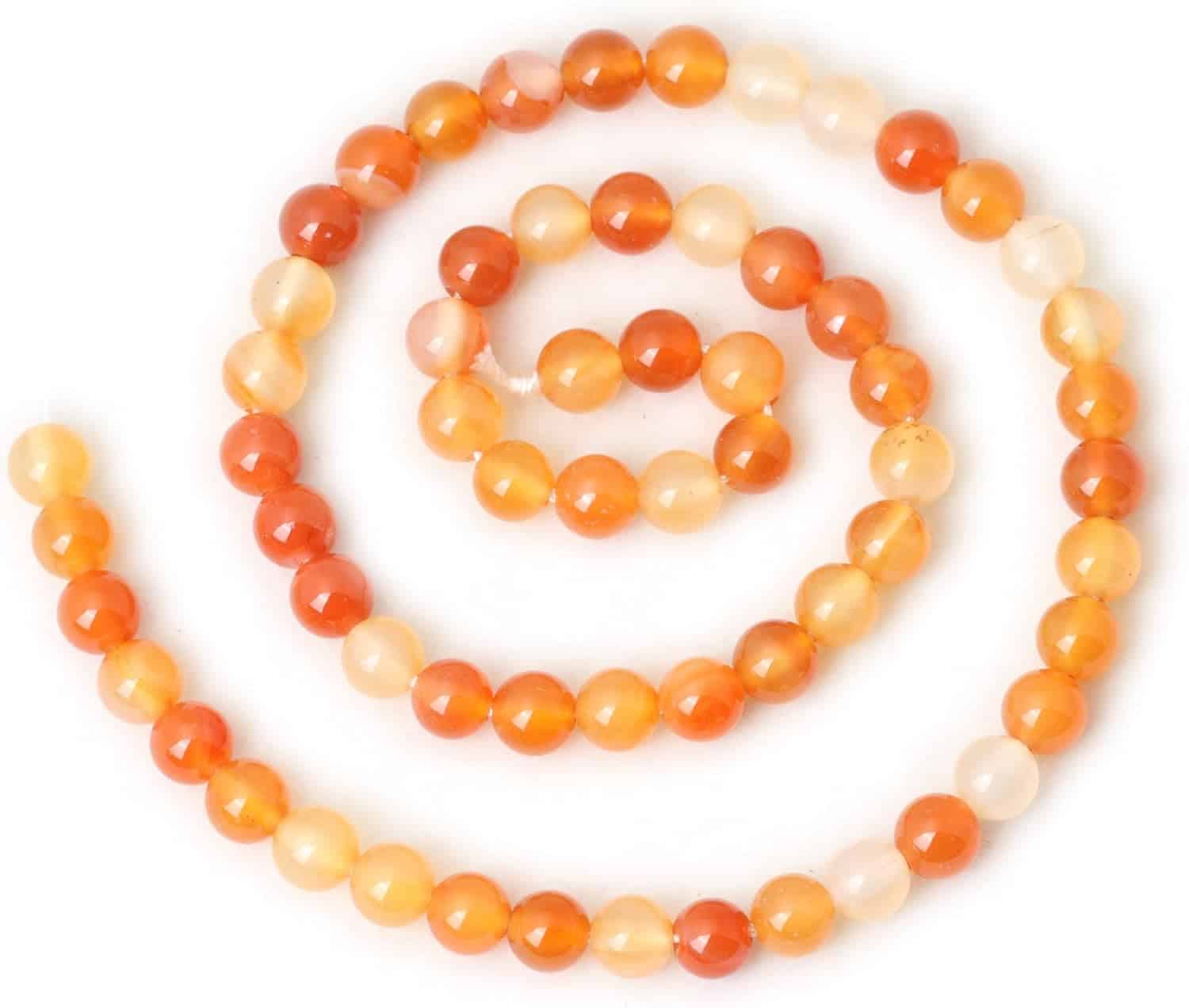
Color: Mix Color Red Agate
MaterialAgate
Size: 6mm
Shape: Round
Number of Pieces: 60

Size & Amount: 8mm (About 23-24 Pieces)
Metal type: Natural gemstone
Clasp type: No clasp type
Chain type: Bead Chain
Gem type: Agate
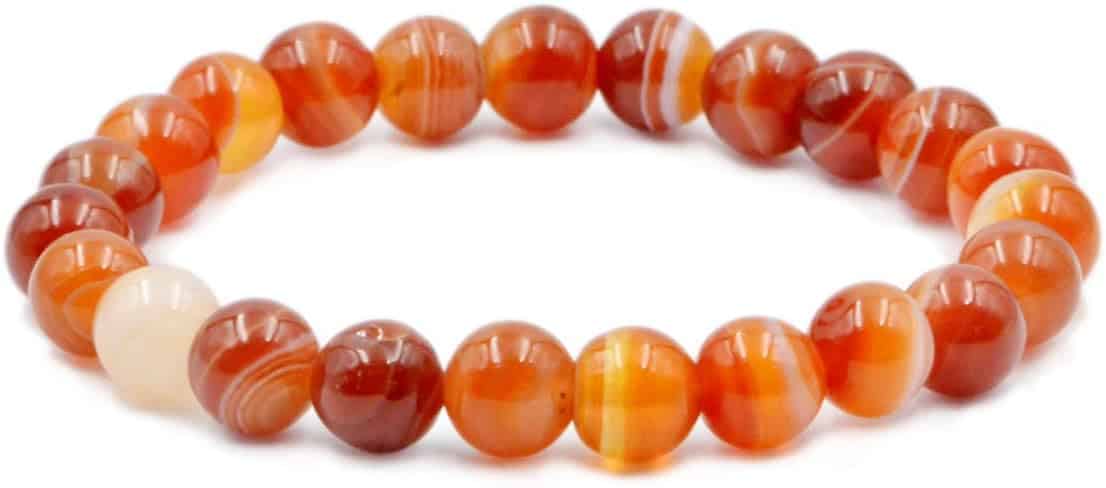
Item display length :7 inches
Material: Gemstone
Metal type: No Metal Type
Clasp type: Spring Ring
Chain type: Bead Chain